Signs of Dyslexia in Young Children
by Charlotte Mann
(www.readingwithouttears.com)
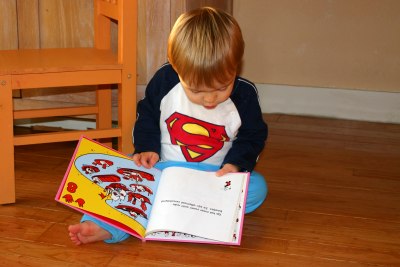

You may be concerned that your child is dyslexic.
Is your child bright but not taking to the written word as you might have expected? I have put together the things to look out for in identifying dyslexia in very young children.
They may have difficulties with:
Dyslexia runs in families. If a parent or other relative has a history of dyslexia or difficulties with reading and writing, each of his or her children has a strong chance of having the same challenge.
It is quite difficult to have much certainty as to whether a child is dyslexic until they are about 7 but if you suspect they might be there are ‘dyslexia friendly’ ways of teaching which are effective for all children.
If your child has a large percentage of these difficulties, and they persist, your child may have dyslexia. The next step would be to find out if there is a Dyslexia Support group in your area. You should consider having your child assessed by a Specialist Dyslexia teacher or an Educational Psychologist who would then be able to give you specific advice for you and your child.
In the meantime let us look at some things to do with children which will be fun and will take them forward with their reading.
Let's start with learning the alphabet, the letter names and corresponding sounds.
Playing with magnetic letters is a great way of making this fun. The best ones I have come across are from the Early Learning Centre.
I start each lesson by asking the child to make a rainbow of the letters in alphabetical order. If they are insecure with the sequence of the alphabet they can learn a little chunk at a time, say a – g.
It is crucial that you teach the sounds correctly. There is an excellent video showing you how on this website.
Play a game where they close their eyes and you take a letter away and they have to guess which one is missing. Or you can muddle them up and ask your child to put them back in the correct order. They always enjoy getting you to close your eyes and play too!
Then slide out the letters that make the words they are learning and put the letters in the right order. (You may need some extra letters for some words).
Depending on the level of your child they can write each word down, make up sentences for each word first orally and then written. Or you might still be learning the sounds of the letters.
Games like this can really help young children with dyslexia to get the start they need in reading.
There is more dyslexia information and games for teaching your child to read on Charlotte's website.

Do you Homeschool?
Get creative. This website is all about great projects and creative activities you can use with your children in your homeschool. Click the button below now to get inspired!

Comments for Signs of Dyslexia in Young Children
|
||
|
||
|
Click here to add your own comments Join in and write your own page! It's easy to do. How? Simply click here to return to Make a page. |







Lovely messages sent from visitors like you:
Oh my goodness! I am a home schooling mum of 4 and I have NEVER found a better site! Thank you so much.
Blessings, Jenny (New Zealand)
I wanted to say THANK YOU for your fabulous website. I found your website, and finally I have the confidence to take the plunge and take my daughter out of school and educate her at home, thank you, thank you.
Marina (UK)
I cannot get over how much great information and super ideas you have here. Fantastic!
Ruralmama (USA)
This is simply fabulous!! I just now found this site and I'm so excited!! The opportunities and suggestions as well as the need to inspire are exactly what I have been searching to fulfill!! I'm so thrilled to get started and even more excited to continue to explore all of the fabulous suggestions and creative ideas you have offered here!!! Thank you, thank you, thank you!
Jennifer (USA)